Welcome to Dera Restaurant and Krispy Krunchy Chicken

Our Mission
At Dera Restaurant and Krispy Krunchy Chicken, our mission is to introduce our community to the vibrant and delicious cuisine of Pakistan, India and Bangladesh. We want to share the flavors and traditions of our culture with everyone who walks through our doors, and we strive to create an atmosphere that's welcoming and inclusive.
Discover the Rich Pakistani Culinary Heritage at Dera Restaurant and Krispy Krunchy Chicken:
Menu
Drinks
Lassi
4.00
Made Fresh to order. A refreshing yogurt drink choice of sweet or salty.
Mango Lassi
4.00
Mango drink with yogurt
Soda
2.50
Water
1.99
Snapple Iced Tea
3.50
Variety
Gatorade
3.50
Variety
Masala Tea
2.50
Fresh to order
Breakfast Special
Anda Paratha
10.00
Made Fresh to order, Paratha, Omelete and Tea.
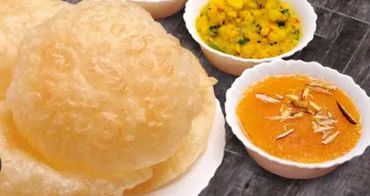
Special Halwa Puri
12.00
Alo Sabzi, Halwa and fresh fried puri
Third Item
22
Add a description about this item
Paratha Corner
Fresh Fried flat bread variety
Plain Paratha
4.00
Popular flatbreads in the Indian subcontinent, made with wheat dough from finely ground wholemeal (atta) and white flour (maida).
Aalo Paratha
5.00
Unleavened wheat dough rolled with a mixture of mashed potato and authentic spices and vegetables.
Chole Paratha
9.00
8 oz. container of chickpeas and lucha parahta.
Gobi Paratha
5.00
Mashed cauliflower inside whole wheat bread.
Garlic Paratha
5.00
Tasty wheat dough paratha rolled with chopped garlic.
Omelet Paratha
8.00
Egg paratha is a delicious layered flat bread with omelette stuffing.
Onion Paratha
5.00
Tasty wheat dough paratha rolled with chopped onions.
Appetizers
Chicken Tandoori leg
5.50
chicken marinated in yogurt and lemon juice and spices.
Chicken Tikka Boti
10.00
Boneless Chicken thigh marinated in fresh herb and spices. Served with sauce.
Beef Bihari Kabab
10.99
Traditional style kabab
Chicken Behari kabab
10.00
Mashed cauliflower inside wChicken thigh pieces marinated in yogurt and herbs.hole wheat bread.
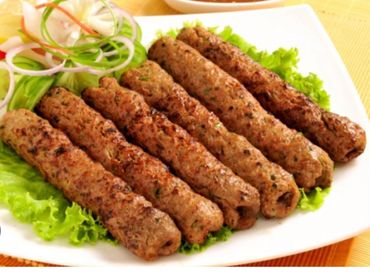
Seekh Kabab
3.50
Ground chicken mixed with onion, ginger and green chilies.
Shami Kabab
4.00
Beef and lentil patty with authentic herbs and spices
Reshmi Tikka
10.00
Chicken breast pieces marinated in yogurt and tomato sauce, fresh herbs and spices. Served with sauce.
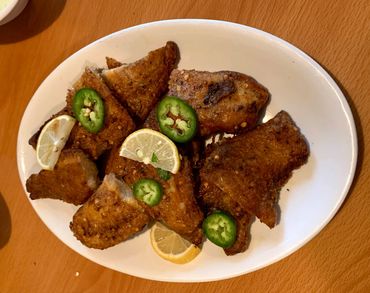
Fried Fish
15.99
Tilapia fish fried with spices and herbs served with chat masala and chatni (sauce).
Chapli Kabab
4.00
Patty made of minced chicken, onions, tomatoes, green chilies, coriander seeds, cumin seeds, salt, black pepper, lemon juice or pomegranate seeds and eggs.
Aloo Tikki Platter
6.50
Finely ground potatoes patties with herbs and spices served with sauce.
Samosa platter
6.50
Crispy fried turnover stuffed with fresh vegetable and herb.
Aloo Tikki Chaat
9.00
Aloo tikki and chana with spices and chutney.
Samosa Chaat
9.00
Samosas and chana chaat with spices and chutney.
Beef
Nihari
12.00
Beef shank cooked with authentic fresh spices.
Beef Haleem
12.00
Slow cooked meat and lentils blended in spices
Goat
Goat Curry
12.00
Goat cooked in fresh herbs and spices.
Goat Korma
12.00
Goat cooked in fresh herbs and spices..
1 lb. Goat Karahi
18.00
Pieces of goat cooked with fresh tomato, bell peppers, onions and herb.
Goat Paya
11.99
Goat joints cooked with onions, green chili, salt, brown cardamom, cinnamon and mix spices.
Goat Achari
11.99
Pieces of goat cooked in blend of pickle.
Goat Palak
11.99
Pieces of goat cooked with spinach in fresh spices and herbs.
Goat Achari
11.99
Pieces of goat cooked in blend of pickle.
Goat Aloo
11.99
Pieces of goat cooked with potatoes in fresh spices and herbs.
Chicken
Chicken Curry
10.00
Chicken cooked in fresh herbs and spices.
Chicken Korma
12.00
Chicken cooked in fresh herbs and spices..
1 lb.Chicken Karahi
16.00
Pieces of Chicken cooked with fresh tomato, bell peppers, onions and herb.
Chicken Tikkah Masala
9.99
Goat joints cooked with onions, green chili, salt, brown cardamom, cinnamon and mix spices.
Chicken Achari
9.99
Pieces of chicken cooked in blend of pickle .
Chicken Kofta curry
9.99
Minced meat (chicken) balls cooked with tomatoes, garam masala, cumin, curry powder, red chili, fresh green chili, fresh coriander, onions, fresh garlic, ginger paste and boiled
Chicken keema
9.99
ground chicken with onions (coriander, turmeric and cumin) red and green chilies with tomatoes.
Chicken Kofta curry
9.99
Minced meat (chicken) balls cooked with tomatoes, garam masala, cumin, curry powder, red chili, fresh green chili, fresh coriander, onions, fresh garlic, ginger paste and boiled
Chicken Palak
9.99
Pieces of Chicken cooked with spinach in fresh spices and herbs.
Chicken Achari
9.99
Pieces of Chicken cooked in blend of pickle.
Chicken Aloo
9.99
Pieces of Chicken cooked with potatoes in fresh spices and herbs.
Chicken 65
9.99
Marinated bite sized chicken cooked with salt, red chili powder, turmeric, ginger and garlic paste, ground black pepper, eggs, cornflour and yogurt.
Chicken Jalfrezi
9.99
Boneless chicken cooked with fresh ground spices sautéed with tomato, bell peppers, onions, ginger and coriander.
Chicken Chili
9.99
Roasted chicken cooked with onions, bell peppers (red, yellow and green), chili powder, cumin, red pepper flakes, cayenne and salt.
Vegetables
Palak Daal
9.00
Lentil and spinach cooked with herbs and spices.
Bhindi Masala
9.00
Fresh okra cooked in onions, tomatoes, herbs and spices.
Mix Sabzi
9.00
Pieces of Chicken cooked with fresh tomato, bell peppers, onions and herb.
Aloo Baingan
9.00
Potatoes and eggplant cooked with onions, tomatoes and spices.
Mutter Paneer
9.00
Pears and cheese cubes cooked with fresh spiced sauce.
Palak paneer
9.00
Spinach cooked with spices, cream and paneer.
Aloo Chana Sabzi
9.00
Potatoes and chick peas cooked together with other spices
Aloo Gobhi
9.00
Potatoes and cauliflower cooked with fresh ginger, onion and tomatoes.
Aloo Muttar
9.00
Potatoes and peas cooked with onion, tomatoes and spices.
Aloo Palak
9.00
Green peas and potatoes cooked with onions powder (coriander, turmeric, and cumin) red and green chilies with tomatoes.
Channa Masala
9.00
Chickpeas boiled then cooked with chopped onions, chopped tomatoes, turmeric powder, cumin and coriander seeds with curry leaves.
Turaie Ki Sabzi
9.00
Zucchini and potatoes cooked with onions powder (coriander, turmeric, and cumin) red and green chilies with tomatoes.
Matar Paneer
9.00
Green peas and Paneer pieces cooked with onions and spices with tomatoes.
Shahi Paneer
9.99
Paneer prepared in a thick gravy made up of cream and tomatoes.
Chana and Daal
Chana Daal
9.00
Gram lentil cooked with spices, onions and tomatoes
Mixed Daal
9.00
Mixed lentil cooked with spices, onions and tomatoes
Maash Daal
9.00
Lentil cooked with spices, onions and tomatoes
Chana Masala
9.00
Chickpeas cooked with spices a, onions and tomatoes
Fish
1 lb. Fish Fry
15.99
Pieces of fish deep fried with herbs and spices.
Add a footnote if this applies to your business
Indulge in the Enchanting Flavors of Pakistan: A Fascinating Visual Journey at Dera Restaurant and Krispy Krunchy Chicken

Discover the Taste of Pakistan at Dera Restaurant & KKC
At Dera Restaurant and Krispy Krunchy Chicken, we are passionate about bringing the vibrant flavors of Pakistan to our customers. Our menu is filled with mouth-watering dishes that are made with the freshest ingredients and traditional Pakistani spices. Join us for an unforgettable dining experience and taste the essence of Pakistan.
Discover Our Raving Reviews!
Ordering coming soon
Visit Us
Special Requests?
Do you have dietary concerns? Questions about an upcoming event? Drop us a line, and we'll get back to you soon.
Dera Restaurant and Krispy Krunchy Chicken
180 New York Highway 59, Spring Valley, New York 10977, United States
Hours
Open today | 10:00 am – 10:00 pm |
Open 7 Days A week
This website uses cookies.
We use cookies to analyze website traffic and optimize your website experience. By accepting our use of cookies, your data will be aggregated with all other user data.